2012年4月24日星期二


Structure of the atom


  • The structure of the atom contains 3 small particles that each have their own charge
  • In the center of the atom there are protons and neutrons
  • Protons has a +1 charge where else neutrons have a 0 charge
  • Outside of the nucleus is the electron with their -1 charge
  • Usually in an atom the number of protons equal to the number of electrons
  •  is commonly the symbol for electron,  symbolizes proton and  symbolizes neutrons
  • Number of neutrons is commonly calculated using the difference of the atomic mass and the number of protons
  • Electrons are always on the outside and circle the nucleus in their corresponding valence shell

History of the atom
  • It had all started off with Aristotle’s theory that everything was made up of an even smaller particle.
Aristotle
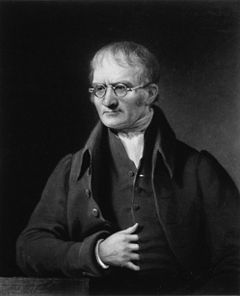
  •  Dalton reintroduced the atom and stated his own atomic theory
  • JJ Thomson introduced the plum pudding model in which explains that the atom contains electron that are negatively charged and protons that are positively charged
  • JJ Thomson
  • He also discovers that the atom is made of an equal amount of positive and negative particles
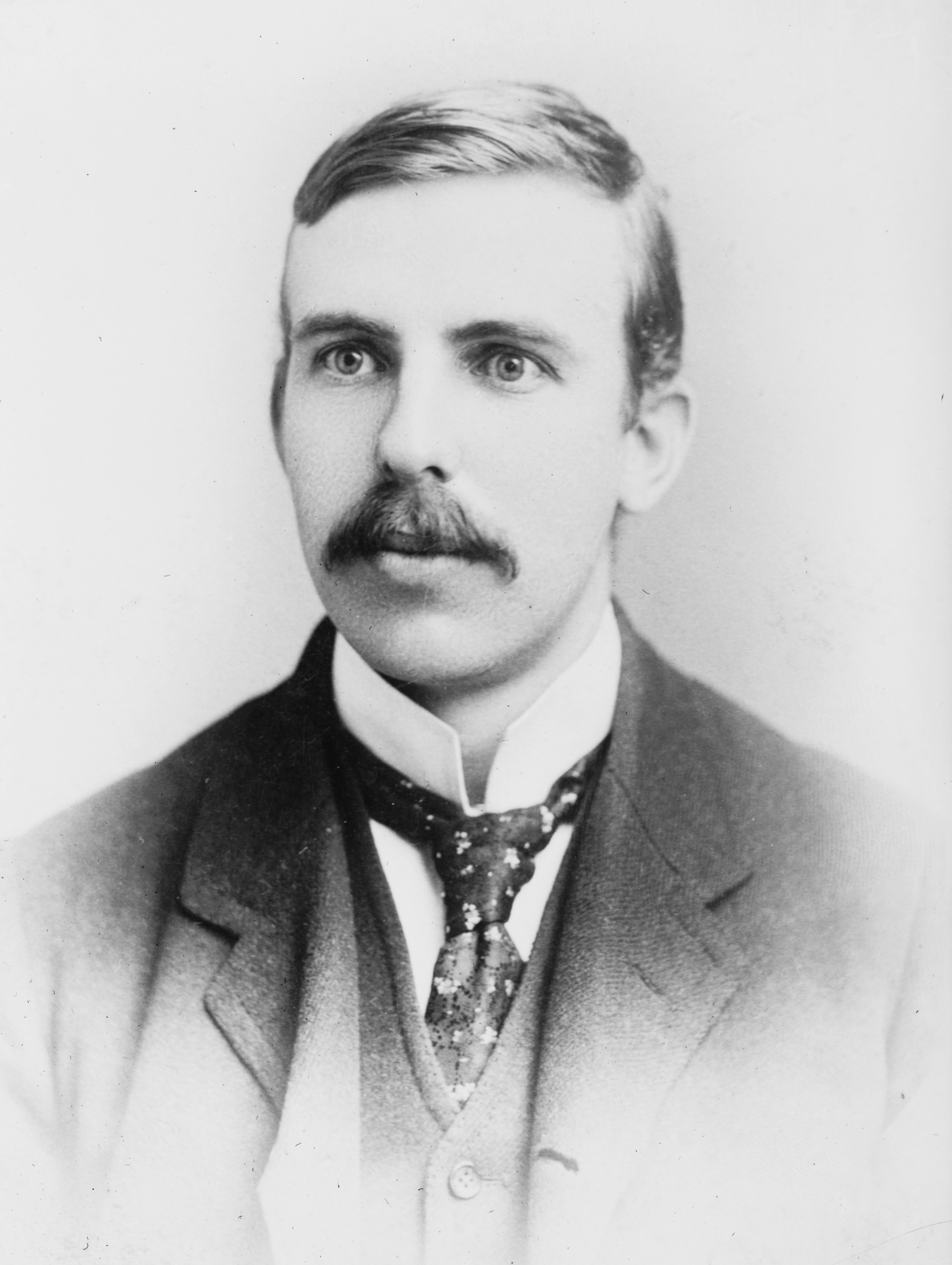
  • Ernest Rutherford later used his own experiment to discover that both electrons and protons were smaller particles within the atom
  • He states that the nucleus is positively charge and the area in the atom that left is mostly empty and contains electrons
  • J Chadwick is able to discover the neutron in which Rutherford had previously predicted
  • Niels Bohr then comes up with a diagram with the different electron shells that surround the nucleus
  • He hypothesized that only certain electrons of certain energy can occupy the electron shell
  •  In a way he also discovers the valence shell that would help in identifying the reactivity of the atom

2012年4月23日星期一

periodic table trends


Electron Configuration and Valence Electrons


Electron Configuration
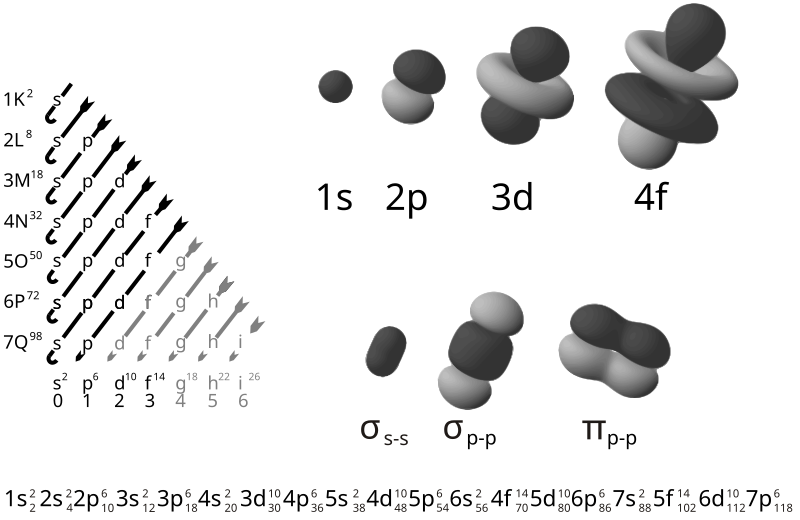
definition: A statement describing the populations of electronic energy sublevels of an atom. See the chart of electronic configurations to get the notation for all of the elements

example: The electronic configuration of the lithium atom is 1s22s, which indicates there are two elements in the 1s sublevel and one electron in the 2s energy sublevel

 In atomic physics and quantum chemistry, the electron configuration is the distribution of electrons of an atom or molecule in atomic or molecular orbitals.


 According to the laws of quantum mechanics, an energy is associated with each electron configuration and, upon certain conditions, electrons are able to move from one orbital to another by emission or absorption of a quantum of energy, in the form of a photon.


 Valence Electrons
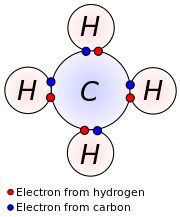
definition:  An electron in an outer shell of an atom that can participate in forming chemical bonds with other atoms