-Functional Groups-
Functional Groups: Specific group of atoms whihch exists in a molecule and gives a specific properties to a molecule.
Ex: They can lead the molecule into many different other form such as acid, base or both
-Here is some example of Functional Group-
A.) Alcohols
-Alcohol contains OH in the compound (Organic Compound ofcourse~)
-For example: CH3-OH, CH3-CH2-OH
-Alcohol is soluable in water and non-polar hydrocarbon chain tends to make alcohols insoluable in water
-All alcohols are poisonous (So don't drink alcohol too much~You will die!)
B.) Aldehyde
-Aldehyde has C=O group at the end of the hydrocarbon chain
-Aldehyde can simply look like this: -CHO
C.) Ketones
-Ketone is organic compound that have C=O group similar to Aldehyde but not at the end of the Hydrocarbon Chain
D.) Ethers
-Ether is compound in which an oxygen joins two hydrocarbon groups
-Fact: Ehers can be act as anaesthetic purposes
Ex of Ethers: CH3CH2-O-CH2CH3
E.) Amines
-Amine is an organic compound containing an NH2 group
-Amine is basic and reacts with acid
-It has fishy-like odour (Which means it smells horrible)
F.) Amide
-Amide is an organic compound containing a CONH2 Group
G.) Carboxylic Acid
-Carboxylic Acid has COOH group.
-Also refered to as Organic Acids
H.) Esters (Hm? Don't we have name Ester in school or something?)
-Ester is compound that has COO group which joins two hydrocarbon chains
R
2012年5月28日星期一

2012年5月22日星期二
Aldehydes and Ketones

- the ending of the aldehyde is written as “-al”
Ketones

- is an organic compound that contains a double bond of carbon and oxygen as well as two alkyl substitutes
- Its general formula would be CnH2nO where n represent the number of carbons in the structure
- the ending of ketone is written as “-one”
Ex 1.

2. the double bond of carbon and oxygen is located at the first carbon
3. ending is “-al”
Name of Structure: butanal
Ex 2.
Draw the structure methanol
1. methyl is one carbon
2.double bond is located at the first carbon

Ex 3.

2. the double bond of carbon and oxygen is located at the second carbon
3. nitro is located 4th from the left side
4. ending is “-al”
Name of Structure: 4-nitro-2-pentanone
Ex 4.
Draw the structure 3-ethyl-3-hexenal
1. hexane is a 7 carbon chain
2. double bond is located on the 3rd carbon
3. ethyl is located on the 3rd carbon
4. ending “-al” signifies there is a double bond of oxygen and carbon

2012年5月10日星期四
Alkanes and Alkynes
Alkanes and alkynes are just like organic compounds but the carbons in the molecular structure will most likely form double and triple bonds

Ex 1. CH2 = C = CH2 double bonds in the naming is signified by putting the placement in front of the carbon chain which is at the end. In this structure there are two double bonds, one and 1 and the other at 2, with a carbon pain of 3.
1,2 – propene the ending for propane is changed to ene to signify that there is a double bond
Ex 2. CH3
l
CH3 – CH – CH = C = CH2
The longest carbon chain is 5, double bonds are located first and second, and a branch is 4 from the most left point, with one carbon in the branch.
Name of the structure: 4 – methyl – 1,2 – pentene
Ex 3. CH3
l
CH3 – C = C – CH2 – CH3
l
CH3
The longest carbon chain is 5, double bond is located on the third, and there are two branches, one on the third and fourth from the most right with one carbon on each branch
Name of the structure: 4 – methyl – 3 – methyl – 3 – pentene
Chemistry Music Video 29: It's A Family Thing
Alkenes-Alkynes
Satannia 8
Organic Compounds
Organic compounds will most likely contain carbon
An example would be cocaine, C17H21NO4
Methane is the simplest of the organic compounds
A homologous series consist of methane, ethane, propane, butane, pentane, hexane, heptanes, octane, nonane and decane
Homologous means that they have similar formula
Some organic compounds may not consist of hydrogen and carbon, examples would include tetrachloride
A alkene is a bond of hydrogen and carbon, in which that all carbon atoms are bonded by single bonds of hydrogen to make octets
Ex 1. H H H H H H H H
l l l l l l l l
H – C – C – C – C – C – C –C – C – H
l l l l l l l l
H H H H H H H H
This would be an octane as the longest chain of carbon is 8
These are the basic steps to take in naming an organic compound molecular structure (steps from Ms.Chen)
Find and name the longest continuous carbon chain that will be the name for the end.
Depending on the number of carbons the name would be: Methane – 1
Ethane – 2
Propane – 3
Butane – 4
Pentane – 5
Hexane – 6
Heptane – 7
Octane – 8
Nonane – 9
Decane – 10
Identify and name groups attached to chains.
Depending on the number of carbon that branch off that would make up the second part in which if there is one carbon on a branch that would give it the name methyl. It is basically similar to the top but the ane becomes yl. The number that comes before the group name is the position of the branch.
Putting the groups in alphabetical order and the carbon chain at the end it the complete name of the molecular structure
Ex 2. CH3
l
CH3 – C – CH3 Longest carbon chain is 3, number of carbon in branch is 1 and
l branches are found 2 to the most left
CH3 2,2 – methyl – propane
CPR Episode 1 - Organic Chemistry Nomenclature
OChem 01 - Nomenclature 1/4
Satannia 8
2012年4月24日星期二
Structure of the atom

- The structure of the atom contains 3 small particles that each have their own charge
- In the center of the atom there are protons and neutrons
- Protons has a +1 charge where else neutrons have a 0 charge
- Outside of the nucleus is the electron with their -1 charge
- Usually in an atom the number of protons equal to the number of electrons
- is commonly the symbol for electron, symbolizes proton and symbolizes neutrons
- Number of neutrons is commonly calculated using the difference of the atomic mass and the number of protons
- Electrons are always on the outside and circle the nucleus in their corresponding valence shell
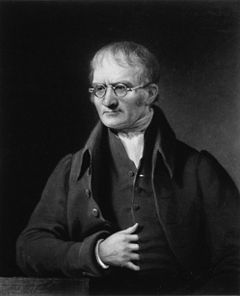
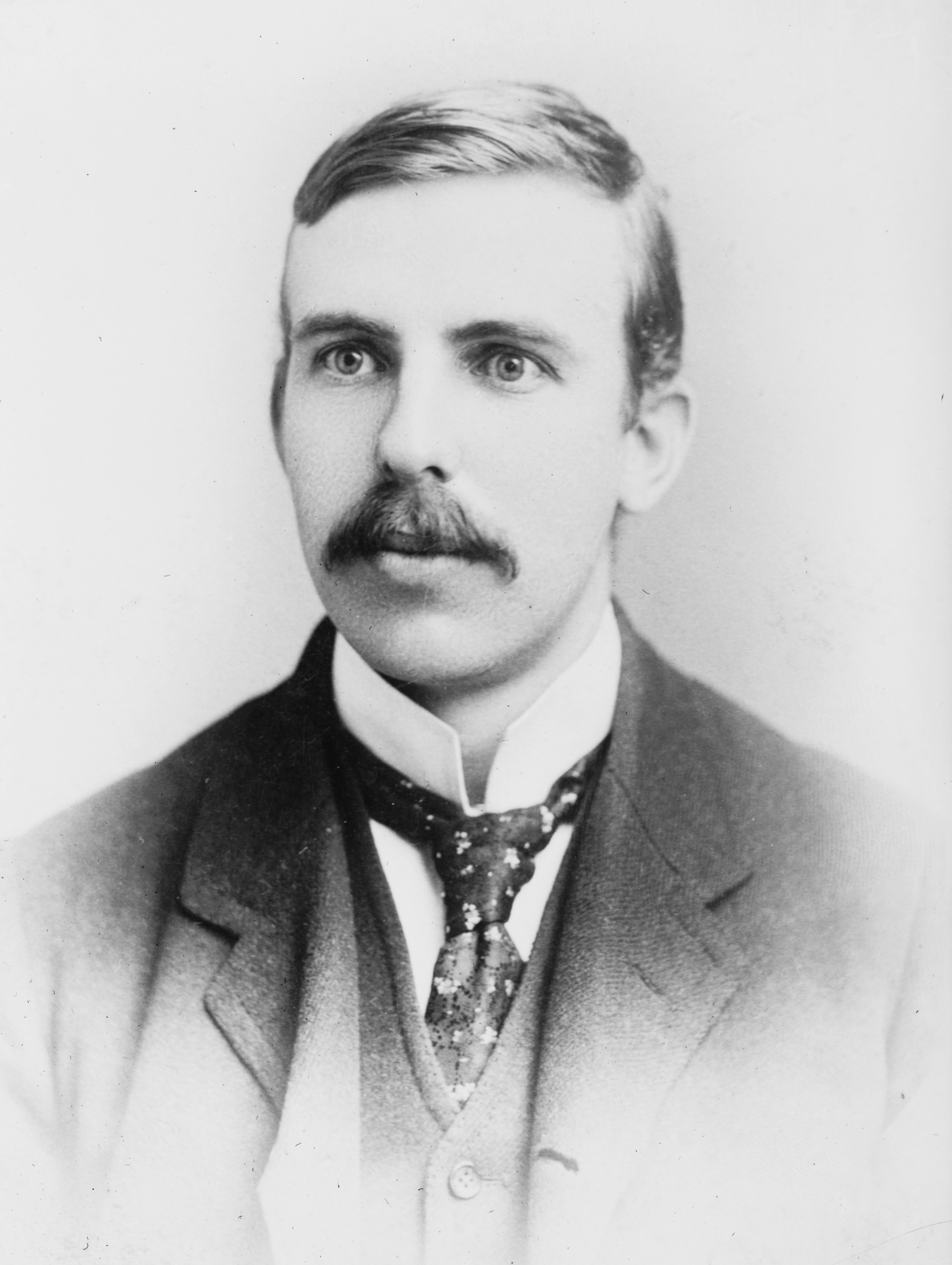
History of the atom
- It had all started off with Aristotle’s theory that everything was made up of an even smaller particle.
 | ||||
Aristotle
|



2012年4月23日星期一


订阅:
评论 (Atom)